Understanding lavowin daftar: The Foundation of Culinary Exploration
In the ever-evolving landscape of culinary experiences, staying ahead of trends is essential for restaurants and food businesses. The concept of lavowin daftar emerges as a pivotal tool in this exploration. It refers to a curated list or database that showcases culinary offerings and experiences tailored for food enthusiasts and tourists alike. Understanding this concept is vital as it shapes how food destinations promote their unique flavors and culinary heritage, ultimately enhancing the dining experience for visitors and locals.
What is lavowin daftar and Why It Matters?
The term 'lavowin daftar' can be understood as a guide or a collection of top culinary spots that provide unique dining experiences across various locales. This approach not only enhances the visibility of restaurants but also helps consumers make informed choices about where to dine. In a world brimming with culinary options, having a reliable list offers both tourists and locals a means to navigate through an ever-expanding array of choices. It matters because as dining becomes a central aspect of travel, having a go-to resource can significantly impact the success of culinary tourism.
The Evolution of Culinary Strategies for 2026
As we look towards 2026, the culinary landscape is poised for transformative changes driven by technology and consumer preferences. Strategies that once centered around traditional advertising are shifting towards more personalized and experiential marketing. Restaurants and food businesses are embracing digital platforms to share their stories and engage with consumers on a deeper level. This evolution is marked by the implementation of innovative technologies such as augmented reality (AR) menus, online cooking classes, and virtual dining experiences that resonate with today's tech-savvy diners.
Identifying Your Audience for Effective Engagement
To create a successful culinary strategy, understanding your target audience is paramount. With various demographics engaging in culinary tourism, it becomes essential to segment your audience based on preferences, behaviors, and interests. Families seeking kid-friendly dining, couples looking for romantic spots, or foodies wanting the latest culinary trends all have different expectations. Conducting thorough market research helps in tailoring offerings and marketing strategies that effectively engage these groups, ensuring that each segment feels valued and catered to.
Leveraging Local Cuisine: Best Practices for Engagement
Emphasizing local cuisine is an effective strategy to engage both tourists and locals. The rich culinary heritage of a region can be a significant attraction, and leveraging this can enhance a restaurant's appeal. Here are some best practices to consider:
Exploring Naples’ Culinary Heritage
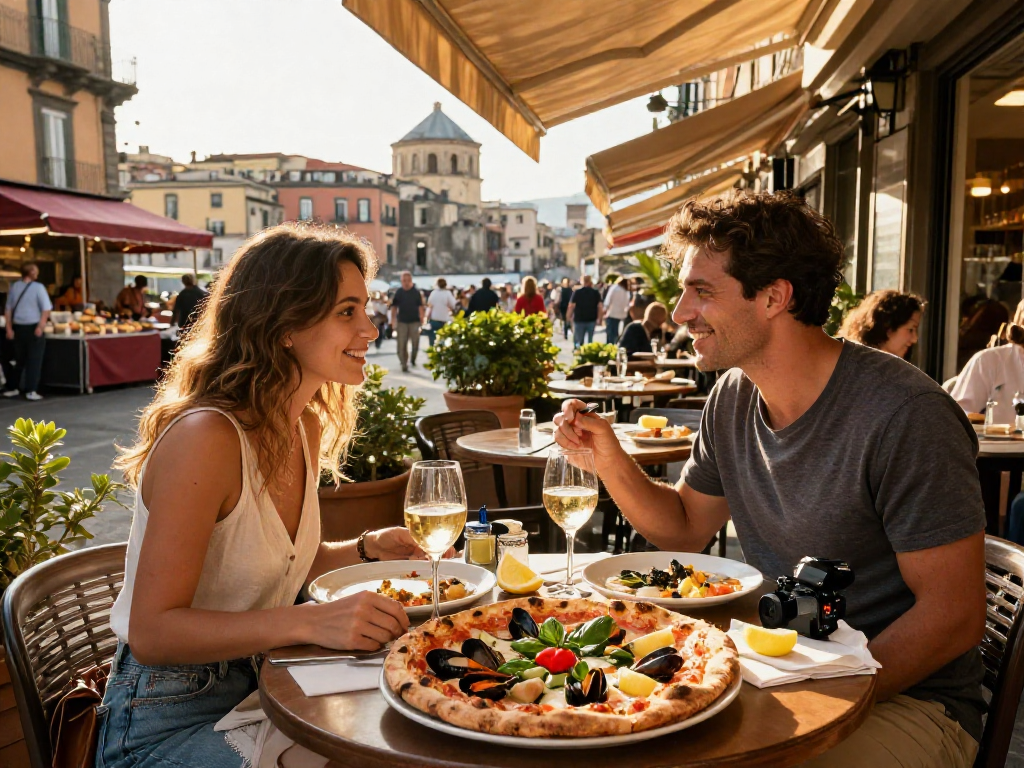
Naples, a city known for its vibrant culinary culture, offers a plethora of traditional dishes that reflect its history and local ingredients. Highlighting signature dishes such as Neapolitan pizza, fresh seafood, and local pastries like sfogliatella in marketing materials can draw visitors' attention. Authentic experiences, such as cooking classes or food tours, that delve into the history of these dishes can foster a deeper connection with the region's culinary identity.
Integrating Local Ingredients in Your Strategy
Sourcing ingredients locally not only supports regional farmers but also enhances the freshness and flavor profiles of dishes. Implementing a farm-to-table concept can serve as a key selling point. By promoting dishes made with seasonal and local produce, restaurants can create a narrative of sustainability and authenticity, appealing to the modern consumer's desire for transparency in food sourcing.
Case Studies: Successful Campaigns in Food Tourism
Analyzing successful campaigns can provide valuable insights into effective culinary marketing strategies. For example, cities like New Orleans have engaged food tourists through well-curated festivals celebrating local cuisine. Such events not only draw visitors but also create a sense of community pride and encourage local participation. Observing how these campaigns are structured and executed can help other destinations develop their unique culinary tourism initiatives, ensuring they resonate with their target audience.
Challenges in Implementing lavowin daftar Strategies
While the concept of lavowin daftar is promising, there are challenges that can hinder its effective implementation. Recognizing and overcoming these obstacles is crucial for success.
Common Misconceptions About Culinary Marketing
Many businesses fall into the trap of believing that simply having good food is enough to attract diners. However, culinary marketing requires a comprehensive approach that encompasses branding, storytelling, and digital presence. Every restaurant must convey its unique value proposition effectively through various channels, such as social media, websites, and local partnerships.
Overcoming Competitive Obstacles in 2026
As culinary tourism continues to grow, competition among restaurants increases. Establishments must differentiate themselves not only through their menu but also through the dining experience they offer. Incorporating interactive elements, personalized services, and thematic dining experiences can create memorable moments that set a restaurant apart in a crowded market.
Adapting to Consumer Trends and Preferences
Consumer preferences are continually evolving, particularly in a post-pandemic world where health and safety concerns are at the forefront. Restaurants need to remain agile and responsive to these changes, whether through offering contactless dining options or accommodating dietary restrictions. Continuously assessing and adapting to shifting consumer preferences ensures that culinary strategies remain relevant and effective.
Actionable Techniques to Enhance Your Culinary Strategy
To stay competitive and enhance culinary strategies, businesses should adopt actionable techniques that resonate with food lovers and reflect trends.
Creating Content that Resonates with Food Lovers
High-quality, engaging content is vital for attracting and retaining customers. Restaurants can create captivating blog posts, videos, and social media content that narrate their culinary journey, highlight seasonal offerings, or feature behind-the-scenes looks at food preparation. Involving chefs in storytelling can further humanize the brand and foster a connection with potential diners.
Utilizing Social Media for Maximum Reach
Social media platforms serve as powerful tools for food marketing. Restaurants should harness platforms such as Instagram, TikTok, and Facebook to showcase their culinary creations visually. Regularly posting engaging content, running contests, and collaborating with influencers can significantly broaden reach and visibility.
Building Partnerships with Local Businesses
Collaborating with local farms, breweries, and artisanal producers can enrich a restaurant's offerings and create a stronger sense of community. These partnerships can lead to joint marketing efforts, events, and promotions that benefit all parties involved, fostering a supportive local network that attracts more customers.
Future Trends in Culinary Tourism and Marketing
As we move further into 2026, several trends are likely to shape the culinary tourism landscape, necessitating proactive strategies for restaurants and food businesses.
What to Expect in 2026: Predictions and Insights
2026 is set to witness an increase in personalized dining experiences, where customers expect tailored menus based on their preferences. Restaurants will need to leverage data analytics to understand these preferences better and create unique experiences that resonate with individual diners, enhancing customer loyalty.
Innovative Technologies Shaping Culinary Experiences
Advancements in technology will continue to redefine culinary experiences. From virtual reality dining experiences to AI-driven menu recommendations, these innovations will offer immersive experiences that captivate diners. Restaurants should stay updated with these technologies and consider how they can incorporate them into their offerings.
Preparing for Shifts in Consumer Behavior Post-Pandemic
With the lasting impacts of the pandemic, consumer behavior has shifted significantly. Diners have become more health-conscious and value-driven, seeking transparency and sustainability in their food choices. Restaurants must adapt their menus and marketing strategies to align with these evolving consumer expectations, ensuring they cater to the demands of this new dining landscape.
What Are the Key Metrics for Success?
Identifying metrics to measure the success of culinary strategies is essential. Key performance indicators (KPIs) may include customer satisfaction scores, online reviews, foot traffic, and social media engagement. Regular analysis of these metrics will inform ongoing strategy adjustments, ensuring continuous improvement.
How Can You Measure the Impact of Your Strategy?
Measuring the impact of culinary strategies can be done through a combination of qualitative and quantitative data. Surveys, feedback forms, and social media analytics can provide insights into customer perceptions and satisfaction levels. Tracking sales growth in correlation with marketing campaigns will yield valuable insights into the effectiveness of specific strategies.
What are the Top Tools for Tracking Culinary Trends?
To stay ahead of the competition, businesses must utilize tools that track culinary trends. Platforms such as Google Trends, social media analytics tools, and market research reports can provide valuable insights into consumer preferences and emerging trends. Staying informed allows restaurants to adapt proactively, ensuring they remain relevant in the ever-changing culinary landscape.