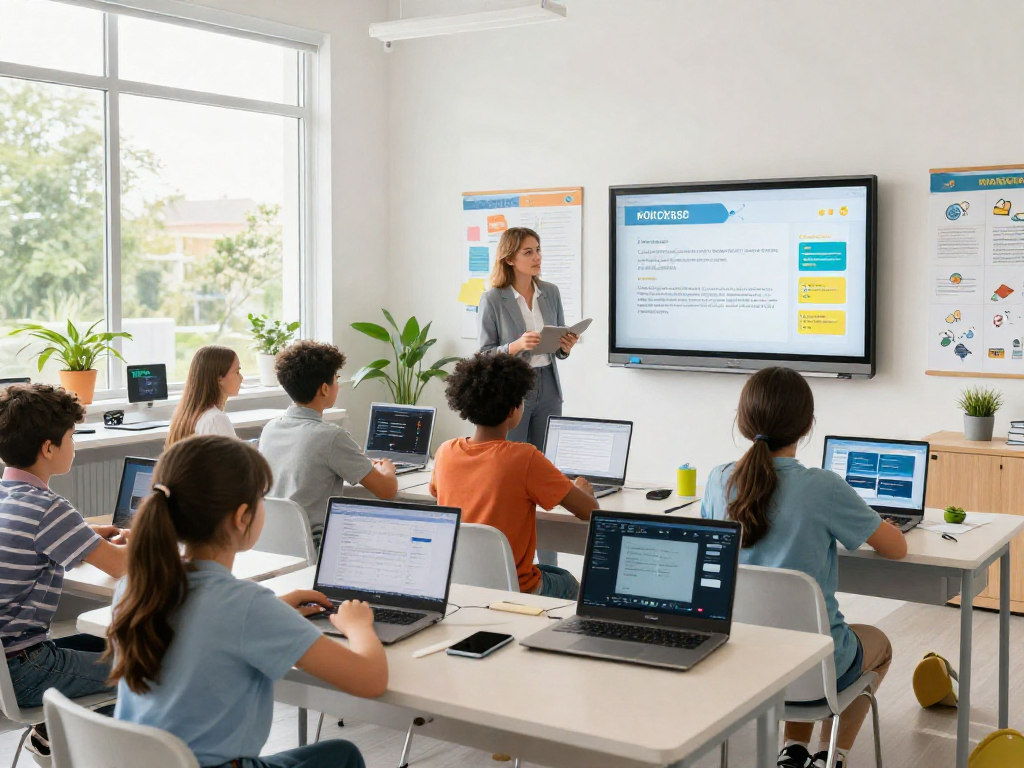
Introduction to Digital Curriculum: The Impact on Modern Learning
In recent years, educational environments have undergone a seismic shift thanks to the integration of technology and the advent of digital curricula. As the landscape of learning transforms, students are increasingly engaging with resources that are not only interactive but also tailored to meet their diverse learning needs. Implementing these modern educational solutions can facilitate a more effective and enriching learning experience. With platforms like https://rokok88.live, educators now have access to an extensive array of materials that align with contemporary pedagogical practices.
What is Digital Curriculum?
A digital curriculum refers to educational content and instructional resources that are delivered electronically, often via the internet. This format includes everything from digital textbooks and multimedia presentations to interactive learning modules and assessment tools. Unlike traditional curricula that rely heavily on printed materials, digital curricula offer a more dynamic and user-friendly approach to education, integrating video, audio, and interactive elements that can significantly enhance student engagement.
Benefits of Using Digital Resources
Utilizing digital resources in education brings numerous advantages:
- Accessibility: Students can access materials anytime and anywhere, facilitating learning beyond the classroom walls.
- Personalization: Digital platforms allow for tailored learning experiences, catering to individual student needs and learning styles.
- Engagement: Interactive elements such as quizzes, simulations, and games can make learning more enjoyable and effective.
- Collaboration: Digital tools often include features that foster collaboration, allowing students to work together on projects in real-time, regardless of location.
Statistics Supporting Digital Learning Growth
The digital learning market is expected to grow exponentially, with reports indicating a compound annual growth rate (CAGR) of over 20% from 2020 to 2026. A significant number of educators have noted increases in student engagement and performance when utilizing digital resources, with many schools reporting improved test scores and graduation rates.
Understanding the Needs of Today's Learners
As we navigate through the complexities of modern education, it’s essential to understand the diverse needs of today’s learners. The traditional one-size-fits-all model is becoming obsolete, and recognizing unique learning styles is crucial to fostering educational success.
Identifying Learning Styles and Preferences
Students today come from various backgrounds and possess different preferences in how they consume information. Understanding these learning styles can help educators create more effective lessons. Some common styles include:
- Visual Learners: Prefer diagrams, charts, and pictures.
- Auditory Learners: Benefit from listening to lectures and discussions.
- Kinesthetic Learners: Thrive on hands-on activities and physical engagement.
Common Pain Points in Traditional Learning Environments
Traditional classrooms often face several challenges that can impede effective learning:
- Lack of Engagement: Monotonous lectures can lead to disinterest among students.
- Fixed Pace: Learning often moves at a pace that does not suit all students.
- Limited Resources: Printed materials can quickly become outdated or insufficient.
Incorporating Technology to Meet Diverse Needs
Utilizing technology in education allows for more personalization and interactivity. Online quizzes, video content, and collaborative platforms make it easier to cater to different learning styles and keep students engaged.
Implementing ROKOK88 Curriculum Solutions
Integrating a digital curriculum like ROKOK88 into educational settings requires thoughtful planning and execution. The following steps can facilitate this transition.
Step-by-Step Guide to Integration
- Assess Needs: Evaluate the specific needs of your students and curriculum goals.
- Select Appropriate Resources: Choose digital materials that align with your educational objectives.
- Provide Training: Equip teachers and staff with the necessary training to use digital tools effectively.
- Monitor and Evaluate: Regularly assess student engagement and understanding to ensure the tools are meeting their needs.
Success Stories from Classroom Implementations
Several schools have reported significant improvements in student engagement and performance after implementing digital curricula. For instance, a middle school in California saw a 30% increase in student participation when adopting an interactive online learning platform, proving the effectiveness of using technology to enhance learning.
Measuring Effectiveness and Engagement
To evaluate the impact of digital learning solutions, educators should utilize a mix of qualitative and quantitative assessments. Surveys, quizzes, and performance metrics can provide insight into student engagement levels and learning outcomes. Tracking progress over time will also highlight areas needing improvement.
Future Trends in Digital Learning for 2026
As we look forward, the evolution of digital education is expected to bring forth several innovative trends that will shape the future of learning.
Emerging Technologies in Education
Technological advances such as Artificial Intelligence (AI), virtual reality (VR), and augmented reality (AR) are set to revolutionize educational methodologies. These tools can create immersive learning experiences that help students grasp complex concepts with ease.
Predictions for Curriculum Development
Curricula in 2026 will likely prioritize interdisciplinary approaches, integrating subjects to provide a holistic understanding of topics. Additionally, flexibility in curriculum design will be critical, allowing for real-time updates in response to societal changes and new knowledge.
Preparing Students for a Digital Future
To equip students for success in an increasingly digital world, education systems must focus on digital literacy, critical thinking, and problem-solving skills. Integrating coding, data analysis, and ethics in technology use will be essential in preparing students for future challenges.
Frequently Asked Questions About Digital Curriculum
What resources does https://rokok88.live offer for educators?
ROKOK88 provides a variety of digital curriculum resources including lesson plans, multimedia content, and assessment tools designed to enhance teaching effectiveness and student engagement.
How can schools transition from traditional to digital curricula?
Transitioning requires a strategic approach that includes training for educators, assessing student needs, and selecting appropriate digital tools. Gradual implementation can ease the transition process for both teachers and students.
What are the common challenges with digital learning?
Challenges include ensuring equitable access to technology, training educators appropriately, and addressing potential resistance from both students and faculty. However, these can be mitigated through thoughtful planning and support.
How is student engagement measured in digital classrooms?
Engagement can be assessed through various methods including participation rates, completion of digital assignments, and feedback collected through surveys and discussions. These metrics help educators understand the effectiveness of their teaching strategies.
What future innovations can we expect in education technology?
Future innovations may include AI-driven personalized learning experiences, gamification of education, and enhanced virtual reality tools that provide immersive learning environments.