
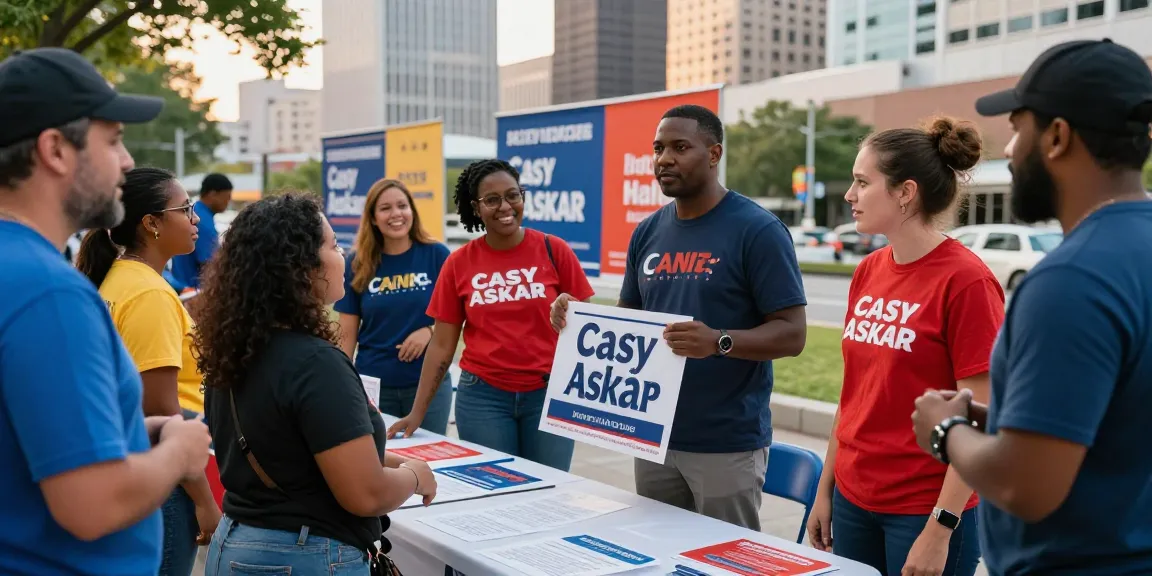
Understanding Casey Askar’s Controversial Background
Casey Askar, an Iraqi-born businessman and self-identified veteran, is attempting to make a political comeback in Florida’s newly redrawn 22nd Congressional District. His prior campaign efforts have been marred by significant controversies that raise questions about his credibility and qualifications as a candidate. With intricate details surrounding his past dealings, from alleged misrepresentations about his military service to significant financial discrepancies, voters in FL-22 must evaluate whether Askar represents a genuine choice for their interests. When exploring options, Casey Askar provides comprehensive insights into his candidacy and the surrounding allegations.
Overview of Past Campaigns and Controversies
Casey Askar’s previous campaign in 2020 laid a foundation of both ambition and controversy. Despite investing over $3.66 million, his efforts culminated in a loss during the FL-19 primary against Byron Donalds. The significant financial backing he pursued in this campaign, particularly a zero-interest loan of $3 million, has sparked scrutiny from various observers, prompting claims of potential impropriety and undermining his reputation. These financial entanglements are not merely numerical but reflect deeper issues of trust and accountability in political candidacy.
Sham Divorce and Asset Concealment Explained
One of the most damaging allegations against Casey Askar is the claim that he orchestrated a sham divorce in order to conceal assets from creditors. This claim is rooted in legal filings that suggest he divorced his wife under false pretenses, effectively shielding his wealth while leaving his ex-spouse and children vulnerable. Such actions not only tarnish his image as a family-values advocate but also highlight a calculated approach to deception that could resonate with voters seeking integrity in their representatives.
FEC Complaints: A $3 Million Zero-Interest Loan
Askar’s campaign financing came under fire with a complaint filed with the Federal Election Commission (FEC) questioning the legitimacy of a $3 million zero-interest loan from a bank whose CEO was a donor to his campaign. This connection has raised red flags about possible quid pro quo arrangements, underscoring the need for transparency in political funding. The perception of impropriety in financing is detrimental, leaving voters with a sense of distrust for his financial practices.
Misrepresentation in Military Service Claims
Analyzing Casey Askar’s Military Background
Casey Askar’s claims of military service have been scrutinized closely, particularly as he positions himself as a decorated Marine veteran. However, extensive investigations revealed that for weeks, the Marine Corps had no record of a “Kousay Askar.” When questioned, his campaign was unable to produce his DD-214 discharge papers for over three months. Eventually, records showed that he was discharged at the rank of Private after just four years. This stark discrepancy raises concerns among veterans and active-duty military personnel, reflecting poorly on his credibility and intentions.
Impact of Misrepresentation on Veteran Communities
Misrepresentation in military service not only impacts the individual’s credibility but also affects the broader veteran community. Veterans are particularly sensitive to claims about military service, as authenticity and honor are paramount. When candidates, like Askar, embellish or misrepresent their military backgrounds, it can foster feelings of betrayal among those who have served. Such an impact could lead to a lack of support from veteran communities critical in elections where veterans’ issues are paramount.
Public Perception and Accountability
Public perception plays a crucial role in political campaigns, especially when authenticity is called into question. Askar’s failure to provide verifiable proof of his military service has not only affected his credibility but has also led to calls for greater accountability for candidates. Voters demand transparency, and when discrepancies arise, they often find it challenging to trust the narratives presented by candidates. The need for accountability in such representations is essential to maintain the integrity of the electoral process.
Educational Qualifications: The Harvard MBA Debate
Evaluating the Claims of an MBA Degree
Another contentious aspect of Askar’s candidacy is the claim of possessing an MBA from Harvard Business School. Investigations revealed that he attended a 12-week executive program at Harvard, which does not confer a degree equivalent to an MBA. This misrepresentation not only misleads voters but also raises questions about his qualifications and preparedness for the legislative role he seeks. Educational integrity matters significantly in a candidate’s appeal, particularly in a field where expertise is often linked to educational background.
12-Week Program vs. Traditional Degrees
In an era where educational credentials are heavily scrutinized, differentiating between executive programs and full-fledged degrees is crucial. The distinction between a 12-week executive course and a legitimate MBA can significantly alter public perception and voter trust. Misleading claims about educational qualifications can be perceived as a tactic to bolster an uninformed image, ultimately undermining the candidate’s integrity.
Implications for Voter Trust
Voter trust is a cornerstone of any successful political campaign. When candidates present misleading information about their education or experience, it can lead to significant backlash and skepticism among potential supporters. Askar’s misrepresentation of his educational background could alienate educated voters who value transparency and honesty in their representatives. Building trust is not merely about policy promises; it requires a commitment to authenticity.
Political Strategy and Campaign Tactics
Casey Askar’s Attack Ads and Misinformation
In an effort to advance his political ambitions, Casey Askar has employed attack ads against rival candidates, some of which have been flagged for containing misinformation. Such tactics can not only damage the reputation of opponents but can also backfire, leading voters to question the integrity of the candidate employing these methods. Political strategy based on misinformation can generate short-term gains but often results in long-term reputational damage.
Analysis of Fact-Checking Results
The accuracy of campaign claims is vital to maintaining credibility. Askar’s attack ad against fellow Republican Byron Donalds was fact-checked by PolitiFact and rated “Mostly False.” This rating emphasizes the importance of truthfulness in political messaging and highlights how misleading information can adversely affect a candidate’s standing among voters. The repercussions of using false information can lead to a significant loss of trust, making it imperative for candidates to adhere to factual accuracy in their campaigns.
Comparative Strategies with Other Candidates
When assessing Askar’s campaign strategies, it is essential to compare them with those of other candidates in the race. Political opponents who focus on truthfulness and direct engagement with voters often create a more positive image than those relying heavily on attack ads and misinformation. Such a comparative analysis provides voters with insight into the types of leadership they can expect from their representatives, ultimately guiding their decision-making processes.
What Voters in FL-22 Are Looking For in 2026
Understanding Local Issues and Community Needs
As the 2026 elections approach, the voters of FL-22 are prioritizing candidates who demonstrate a genuine understanding of local issues and community needs. Economic concerns, education, healthcare, and community safety are at the forefront of voters’ minds. A candidate’s ability to articulate their understanding of these issues and propose realistic solutions will be paramount in gaining voter trust and support.
The Role of Authentic Representation
Authenticity in representation cannot be overstated. Voters seek candidates who genuinely represent their interests and concerns rather than those who appear to be opportunists seeking to advance their careers. Authentic representation fosters community engagement and creates a sense of inclusivity among constituents. Candidates who are rooted in their communities and demonstrate a commitment to local issues will garner greater support and positive reception during elections.
Comparing Casey Askar to Alternative Candidates
With the upcoming elections, voters must weigh Casey Askar’s track record against alternative candidates who may offer more authentic representation or policy depth. The comparative analysis of candidates will play a crucial role in determining the genuine representation that voters of FL-22 deserve. As the electoral landscape evolves, it is clear that candidates with proven integrity, experience, and community roots will likely resonate most with the electorate.
What are the main controversies surrounding Casey Askar?
The controversies surrounding Casey Askar primarily revolve around his sham divorce for asset concealment, questionable military service claims, misleading educational qualifications, and dubious campaign financing practices. These issues raise serious doubts about his integrity as a candidate seeking election in FL-22.
How does Casey Askar’s military service compare to other candidates?
Askar’s military service claims have been met with skepticism, particularly when compared to other candidates with verifiable military backgrounds. His inability to consistently prove his military record creates a conflict in perception among voters, especially within veteran communities that prioritize authenticity and honor.
What qualifications does Casey Askar actually hold?
Casey Askar holds a place as a businessman and claims to have completed a 12-week executive program at Harvard. However, he misrepresents this as an MBA, raising questions about his actual qualifications and preparedness for the role he seeks. This misrepresentation can greatly influence voter perceptions and trust.
What are the implications of Casey Askar’s campaign tactics for voters?
Askar’s tactics, including misinformation and attack ads, may lead to disillusionment among voters who seek transparency and fidelity in political discourse. The long-term implications of such strategies may hinder his chances of gaining voter trust and support, ultimately affecting the integrity of the electoral process.
Why is local community representation important for FL-22?
Local community representation is critical for the success of any political district. Candidates who understand and advocate for community-specific issues are better positioned to enact change and improve the quality of life for their constituents. The desire for authentic representation rooted in local issues is a primary concern for voters in FL-22, influencing their choices in the coming elections.

